Marketing
Marketing Plan for a Small Business in Kenya: One Page, Clear Decisions
Set one audience, one measurable outcome and a workable budget. Use this one-page plan to connect campaigns with enquiry handling and delivery.

Ideas for your next move
Practical guides to building your brand, reaching customers and putting better systems to work.
Set one audience, one measurable outcome and a workable budget. Use this one-page plan to connect campaigns with enquiry handling and delivery.
Understand what last-click reporting leaves out. Combine campaign records, customer conversations and sales evidence without overstating attribution.
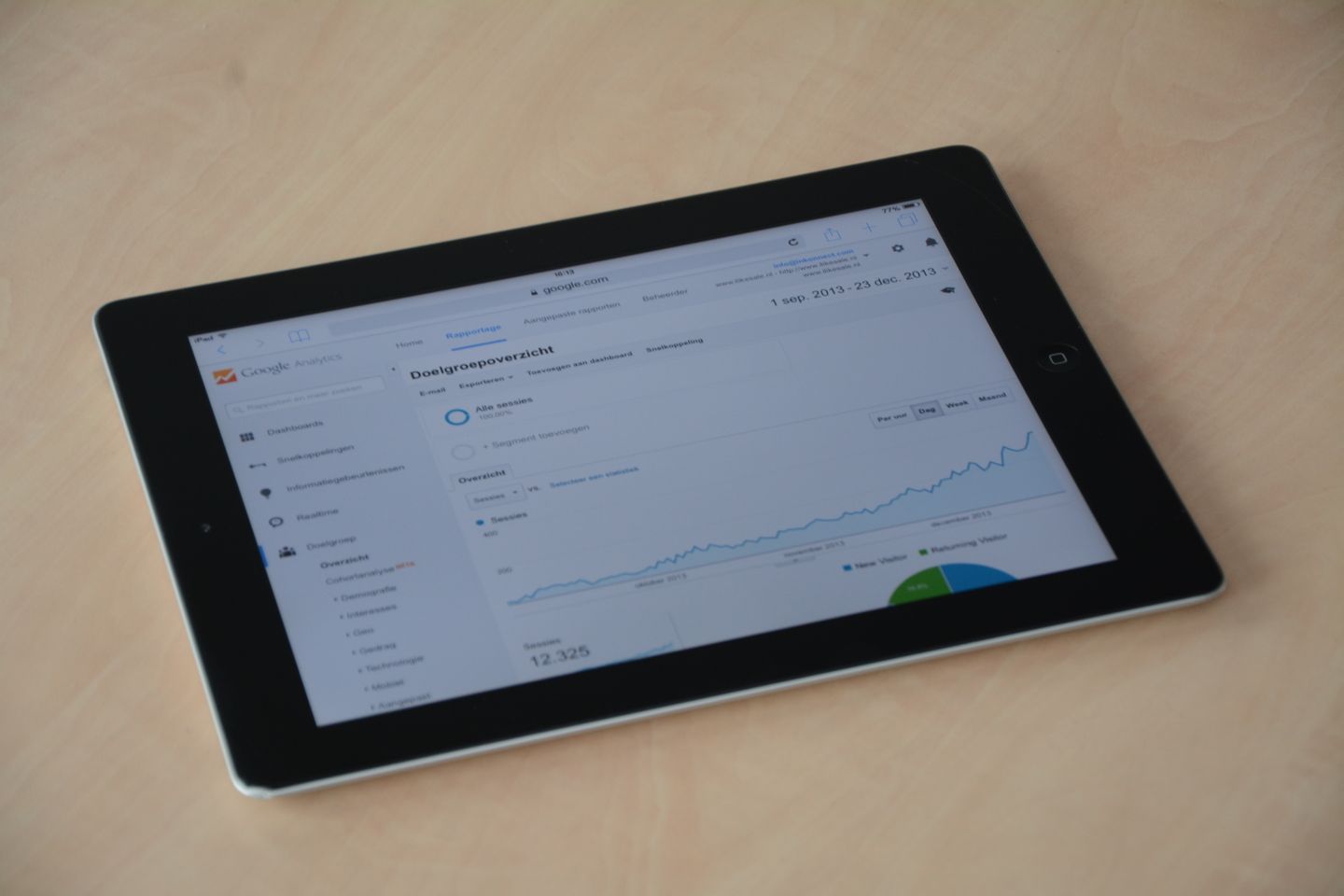
Use Search Console to investigate queries, pages and search changes. Read impressions, clicks and position with the context they need.
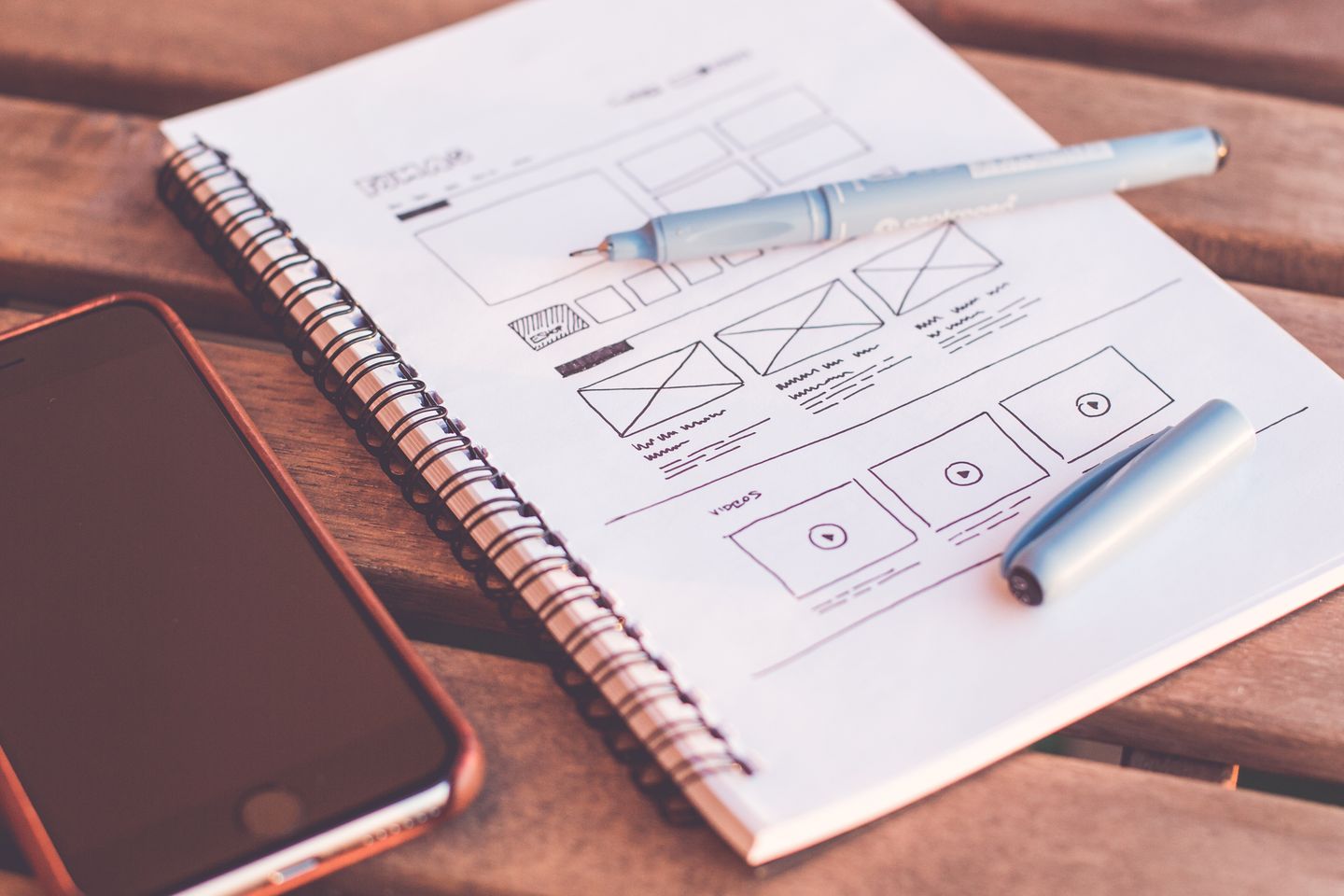
Protect useful search traffic during a website redesign. Inventory URLs, plan redirects and check indexing, links and forms after launch.
Measure website enquiries from the form to the follow-up. Define events, check delivery and connect reporting to the outcomes your team records.
Plan the first 90 days of a service launch, from checking the offer and preparing the team to testing demand and deciding what deserves more investment.
Give an outsourced marketing team a brief they can deliver: clear priorities, scope, access, approvals and a shared method for reviewing progress.
Price your service from scope, cost and customer value. Present options clearly, protect your margin and handle discount requests with confidence.
Learn why customers buy, leave or choose another supplier. Use practical interview questions to improve your offer without leading the answers.
Set a marketing budget around cash, delivery capacity and customer contribution. Separate campaign costs, fund a clear test and review the return.
Turn a long service list into offers buyers can compare. Define the outcome, scope, exclusions, pricing basis and next step for each package.
Explain the same business to customers, partners and funders without changing its promise. Build a message framework backed by relevant evidence.
Plan a rebrand that customers can follow. Decide what to retain, organise the rollout and update the materials your team relies on every day.
Choose a business name people can say, spell and remember. Test the shortlist and check availability before committing to identity design.
Build brand guidelines your team will use, with practical rules for logos, type, colour, writing, templates and approvals across everyday work.
Give attendees the information they need before, during and after an event. Coordinate updates, changes, on-site support and follow-up.
Prepare for a media interview with verified facts, concise answers and practice on difficult questions. Know when to answer and when to check.
Organise AGM communication from the first notice to the follow-up, with approved information, member support and clear responsibility for updates.
Help staff understand and implement a change. Prepare managers, answer practical questions and check whether the new process is working.
Write annual report stories that connect people, results and evidence. Choose examples carefully and explain the limits behind the headline numbers.
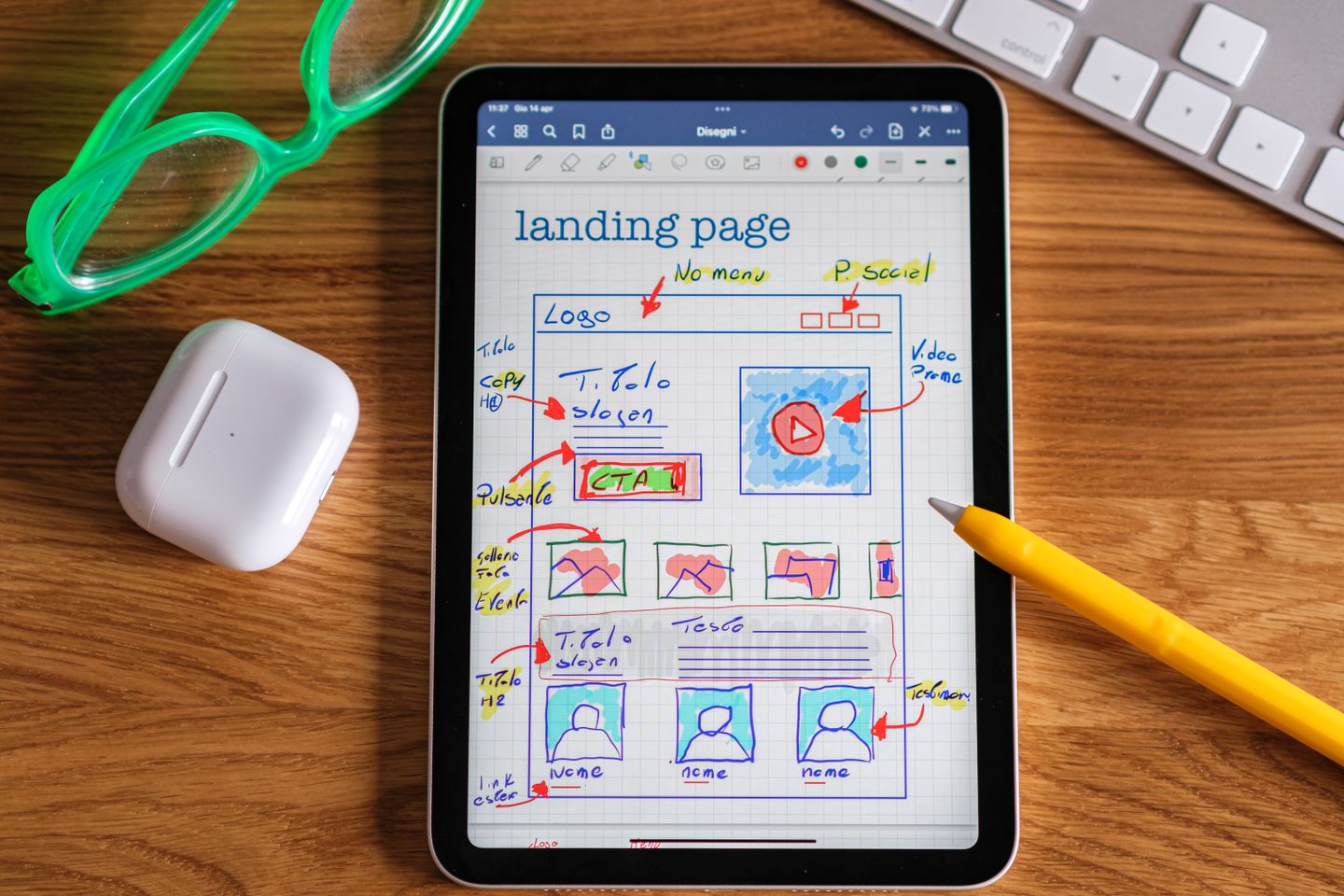
Check your campaign landing page before buying traffic. Align the offer, evidence, form, confirmation and follow-up on mobile and desktop.
Design a paid-media test that answers a specific question. Set the budget, define a qualified response and decide when to continue or change course.
Brief a short marketing video before the shoot. Agree the audience, message, evidence, formats, approvals and the action viewers should take.
Plan LinkedIn content around the questions business buyers ask. Use expert knowledge, credible examples and a follow-up process your team can manage.
Build a newsletter with a clear editorial purpose. Choose relevant stories, improve readability and measure responses beyond the open rate.
Keep your website dependable after launch. Assign responsibility for updates, backups, security, content accuracy and testing the enquiry journey.
Automate approvals with clear authority, audit records and exception handling. Keep sensitive actions controlled when staff, amounts or circumstances change.
Write system requirements developers and users can test. Describe real workflows, roles, exceptions, records and acceptance criteria before the build.
Choose a CRM against the sales tasks your team actually performs. Test ownership, follow-up, reporting and data access before committing.
Plan an AI chatbot around approved answers and reliable human handoff. Set boundaries, protect account information and test failure cases before launch.
Understand what last-click reporting leaves out. Combine campaign records, customer conversations and sales evidence without overstating attribution.
Use Search Console to investigate queries, pages and search changes. Read impressions, clicks and position with the context they need.
Protect useful search traffic during a website redesign. Inventory URLs, plan redirects and check indexing, links and forms after launch.
Measure website enquiries from the form to the follow-up. Define events, check delivery and connect reporting to the outcomes your team records.
Build an SEO content plan from customer questions. Match topics to the buying journey, avoid overlapping pages and maintain the guides you publish.