
A campaign spends its budget, generates clicks and ends with a report showing reach. The team still cannot say whether the offer was weak, the audience was wrong or the enquiry process failed. That is an expensive way to remain uncertain.
A paid media test should be designed around a decision. Its purpose is to learn whether a particular audience, offer and route to enquiry deserve further investment under the business's real constraints.
Write the decision before selecting the platform
State what you need to learn. For example: can a defined audience understand this training offer and produce suitable enquiries at a cost the business can sustain? That is more useful than “test digital marketing.”
Define a suitable enquiry. Location, need, eligibility, timing and purchasing authority may matter. Record those criteria before results arrive so the team does not redefine success around whichever number looks favourable.
Check delivery capacity and cash timing. A campaign can attract demand faster than a small team can respond or fulfil the work. Set a sensible operating limit before increasing spend.
Keep the first test interpretable
Use a limited number of audiences and creative approaches. If a small budget is divided across many combinations, each receives too little attention to support a confident decision.
Write down the main difference between variants. You might compare two explanations of the same offer while keeping the audience and destination consistent. Changing the offer, audience, format and page together makes the result difficult to diagnose.
Agree the review period and the conditions that justify an early stop, such as a broken form or an inaccurate advertisement. Do not make constant changes because the first few hours feel quiet.
Prepare the entire response route
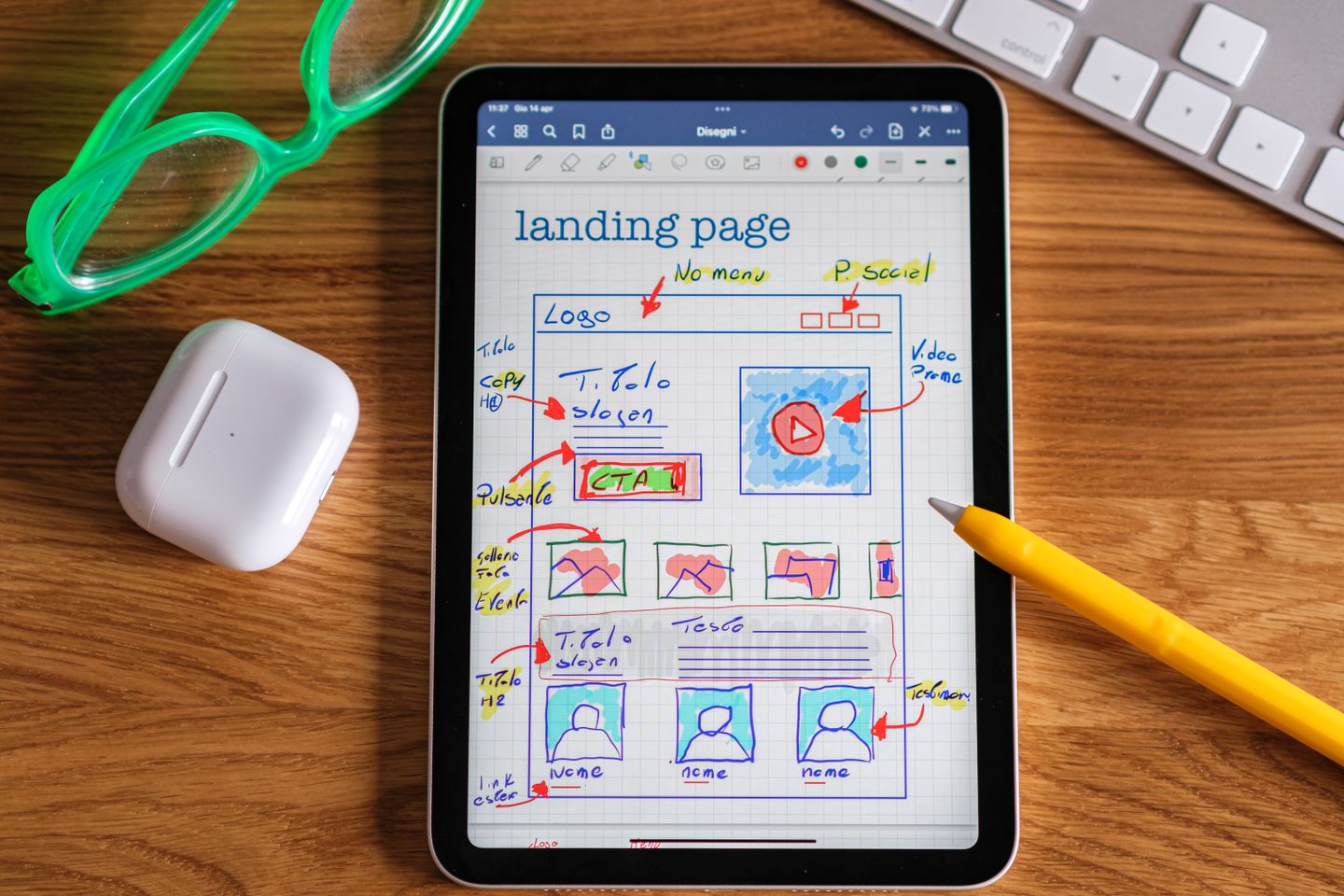
Check the advertisement, landing page, form, confirmation and follow-up as one journey. The wording should remain consistent. A promise in the advertisement that disappears on the page creates doubt.
Assign someone to handle responses and record the outcome. Capture why enquiries were unsuitable, why prospects did not proceed and how long the team took to respond. This evidence can explain a campaign more accurately than platform metrics alone.
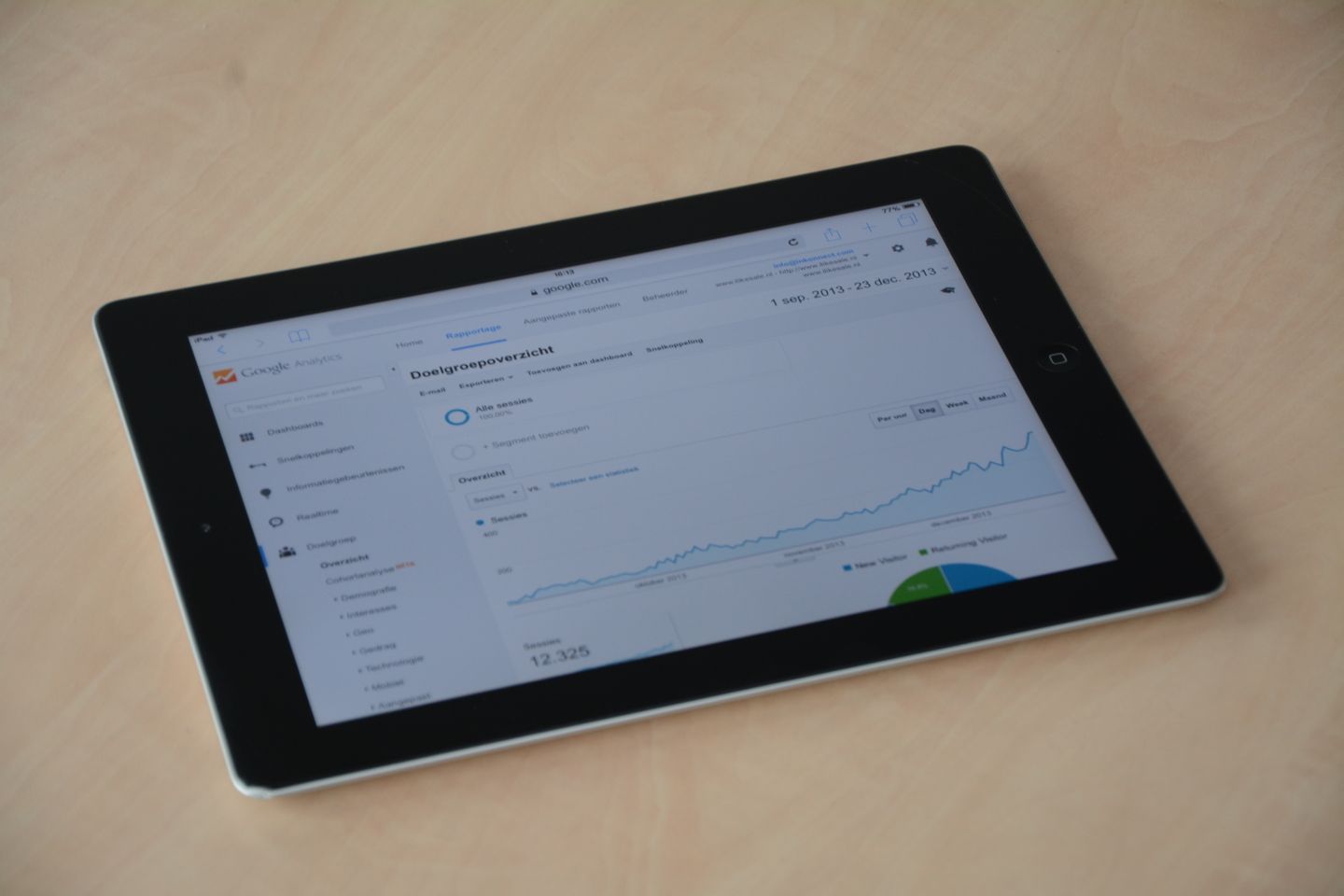
Test measurement before spending. Confirm that the recorded action represents what the report claims. A button click is not automatically a submitted enquiry, and a submitted enquiry is not automatically a customer.
Set a budget with an explicit learning limit
Separate media spend from creative work, page changes, management and measurement setup. Decide which costs belong in the acquisition calculation used for the commercial decision.
Use a scenario rather than an unsupported promise. If the business can allocate a certain amount to acquiring a customer, estimate the enquiry-to-customer conversion needed to make the campaign viable. Label uncertain assumptions and replace them with observed results as evidence develops.
Reserve some capacity for a second, better-informed test. Spending the entire budget on the first attempt can leave the team unable to act on what it learns.
Review the evidence in sequence
First check delivery and measurement. Then examine whether the audience reached the page, understood the offer and completed the intended step. Finally, assess enquiry quality and commercial progression.
Do not scale a campaign solely because its cost per click is low. Equally, do not dismiss a channel because a weak page failed to explain the offer. Identify the most likely constraint and propose a specific change.
Finish with one of three decisions: continue under defined conditions, revise and retest, or stop. Record why, including the limits of the evidence. A useful test earns its cost by making the next investment more informed.
Plan and manage a focused advertising test with Zero Impulse.