The empty seats are visible on event day. But they were created weeks earlier - in an unclear value promise, a poster sent to everyone and aimed at no one, a registration link with too much friction, and reminders that never went out.
An event campaign is not a poster. It is a response system with a deadline.
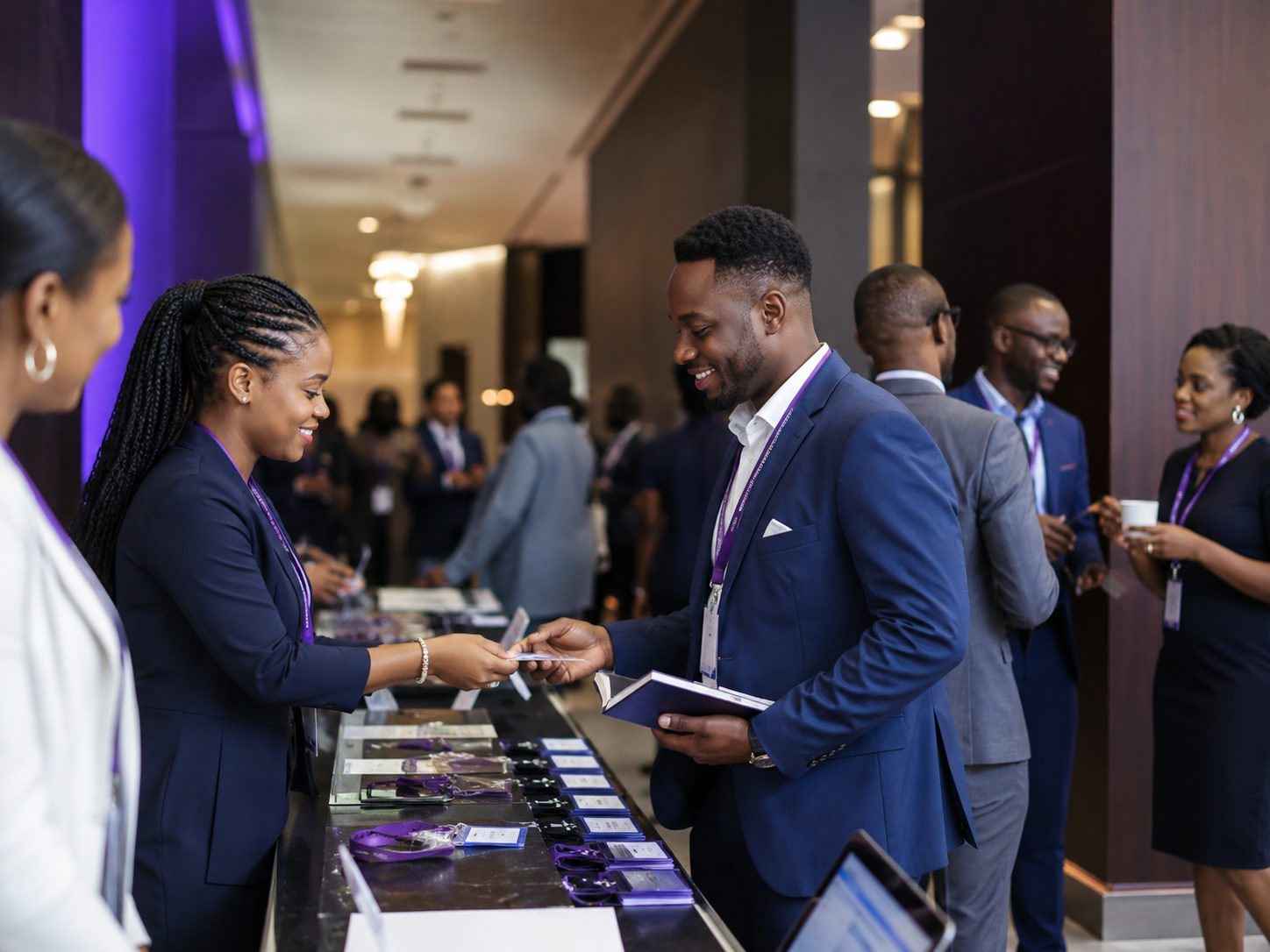
Where campaigns actually leak.
Walk the journey the way your invitee does. Does the announcement answer "why should I, specifically, give up a day for this?" Is the registration form short enough to finish on a phone in traffic? Is payment obvious? Does anything happen between registering and attending - or do people register, forget, and quietly drop off?
Build the campaign as one system.
- Start with the audience and the reason to attend. Not the theme. The reason. What will they walk away with that justifies the time and the fee?
- Make the assets carry one message. Poster, landing page, email and WhatsApp copy should repeat the same promise, not compete with each other.
- Remove friction from the response path. Short forms, clear payment, instant confirmation.
- Plan the reminder sequence before launch. Registration is a promise, not attendance. Reminders convert one into the other.
- Give sponsors a story. Sponsors respond to a defined audience and visible value - before, during and after the event.
The deadline is your friend.
Events force clarity because the date doesn't move. Used well, a single well-run campaign also leaves you with assets, data and a follow-up list that make the next one easier. That's the difference between running events and building an events capability.
Sound familiar?
Bring the challenge point. We'll tell you plainly what we'd fix first - no jargon, no obligation.