

By Elijah MainaMarketing, branding & communicationPublished 5 Oct 2026 · Updated 10 Nov 2026 · 4 min read
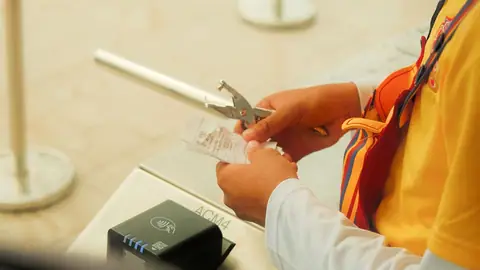
Photograph by Phil Nguyen · Pexels
Before buying more advertising for an event, try to book a place yourself. Read the offer on a phone, check the ticket terms, make a test submission and follow the confirmation. Problems in those steps can waste the attention you have already paid for.
Then work back through the campaign. Are you reaching people who can attend, giving them a convincing reason to commit and answering the questions that delay payment? Registration improves through coordinated fixes across that journey.
Define the event offer and the target
Describe the audience, the problem the programme helps them address, and what attendance includes. Publish confirmed dates, venue or access format, fees, agenda, booking conditions and a reliable contact route. Advertise CPD recognition only when it has been verified.
Keep paid delegates, complimentary places, speakers and exhibitors separate. If remote participation is available, distinguish it from physical seats. A registration target should correspond to the capacity you can deliver.
An eight-week sequence
| Timing | Decision and work |
|---|---|
| Week 8 | Agree audience, capacity, budget and targets. Publish and test the event page and registration route. |
| Week 7 | Prepare the partner kit and approach employer or group buyers who need approval time. |
| Week 6 | Launch focused promotion. Record source links, registration starts, completions and payment status. |
| Week 5 | Review the first cohort. Resolve questions about value, eligibility, invoices or booking terms. |
| Week 4 | Use confirmed speaker and session content. Follow up on requested invoices and unresolved bookings. |
| Week 3 | Review the paid-registration forecast and capacity. Keep any advertised pricing deadline honest. |
| Week 2 | Reconcile payments, prepare check-in and send registered delegates practical attendance information. |
| Week 1 | Confirm logistics and accessibility arrangements, brief production and rehearse check-in. |
Assign an owner to each item. A timeline without responsibility and a review meeting is difficult to run.
Remove friction without removing necessary information
Ask for the details you need to register and communicate with the delegate. Explain optional fields. Collect sensitive arrangements through an appropriate process rather than broadly shared attendee lists.
Keep event administration, optional future marketing and publicity permissions distinct. An unticked choice for promotional photos should be connected to an actual production workflow. Our photo-consent guide explains why a checkbox alone is insufficient.
Make payment status dependable
Tell people the amount, merchant destination and reference or matching process. For Paybill payments, provide the correct account reference; do not assume a Buy Goods Till gives the same account-number field. Safaricom's C2B documentation distinguishes the Paybill reference and transaction confirmation.
Verify payments through the organisation's payment records or properly implemented integration. Keep pending, paid and refunded states clear. Test duplicate notifications, delayed confirmations and a successful payment after the browser closes. Explain whom to contact rather than asking a delegate to pay twice.
Employer-paid delegates may need an invoice, multiple names and finance approval. Give that process a named owner and a deadline compatible with the event's booking terms.
Give partners a useful contribution to share
Provide speakers, member chapters and sponsors with accurate session information, approved creative and a registration link. Tailor the reason to attend to each audience. Track links where practical, but acknowledge that a link may be forwarded beyond the original partner.
Share content that answers real questions: session outcomes, who a session suits, access arrangements or a speaker's relevant expertise. Repeating a poster adds little when the audience needs more information.
Forecast from actual conversion
Illustrative model: you have 60 paid registrations and a target of 100, leaving 40. If 20% of qualified enquiries have converted to paid registrations within your observed decision window, reaching 40 more would require about 200 comparable enquiries under that assumption.
The rate may change as the deadline approaches; the model is not a guarantee. Compare remaining time, audience access, response capacity and budget with the gap. Inspect unpaid bookings and invoice delays before buying more traffic.
Report unique enquiries, completed registrations, confirmed payments and paid attendance by cohort. Keep outstanding invoices visible. Do not count a submitted form as a paid delegate.
Deliver the experience and close the loop
Rehearse check-in with the actual equipment and staff. Plan a separate route for unresolved payments and walk-ins, and restrict access to attendee records. Test sound, connectivity and backup arrangements for a hybrid event.
Afterward, compare paid registrations with attendance, collect feedback tied to the programme's stated purpose and report sponsor deliverables accurately. Use only appropriately permitted images and recordings. Invite future interest through a clear optional choice.
Zero Impulse helps connect event promotion, registration systems and production. Share your event date, audience and registration gap so the plan starts with the right problem.
